Typhoon-Proof Window Guide — Category 5 Standards Explained
Expert installation of premium glass and aluminum products engineered specifically to withstand severe Philippine typhoons and torrential rain.
Engineering Standards
| Component | Standard Installation (High Risk) | Typhoon-Proof Specification |
|---|---|---|
| Aluminum Gauge | 0.8mm - 1.0mm (Flexes easily) | 1.2mm - 2.0mm Heavy Duty |
| Glass Type | 5mm Annealed (Breaks into shards) | 6mm - 8mm Fully Tempered |
| Perimeter Sealant | Acrylic Caulk (Dries and cracks) | Structural Silicone / Polyurethane |
| Locking Mechanism | Single Center Latch | Heavy-Duty Multi-Point Locks |
Surviving Extreme Weather
The Philippines experiences an average of 20 typhoons a year. During a severe storm, winds can exceed 250 km/h. At these speeds, a window is not just a barrier against rain; it is a critical structural component of your home.
Frame Rigidity
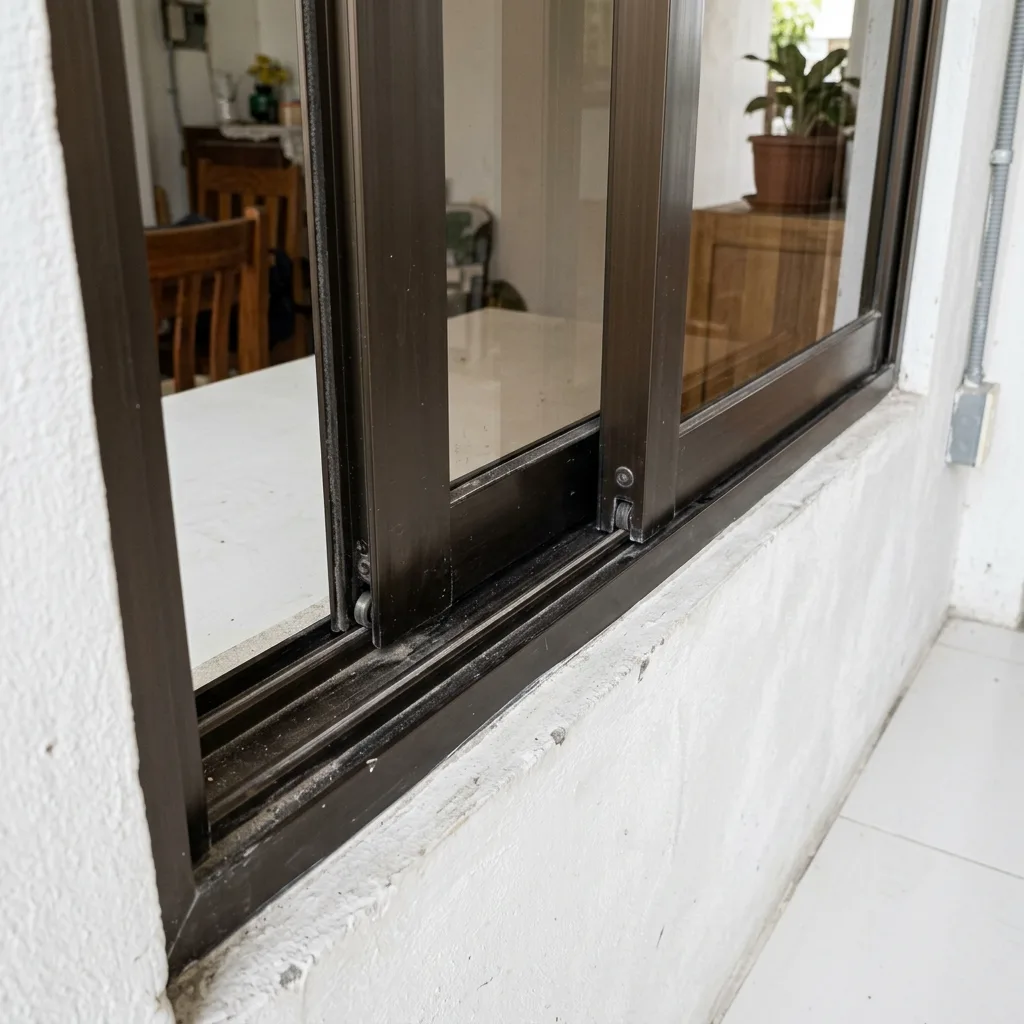
Most standard residential windows fail because they use lightweight 0.8mm aluminum. The aluminum frame must be rigid enough to prevent the glass from bending and popping out of the track under immense positive and negative pressure.
Glass Strength
Standard 5mm annealed glass will easily shatter under severe wind pressure or if struck by flying debris. Once the glass is breached, the storm enters the home. Tempered glass is non-negotiable for typhoon zones.
Structural Sealing
A window can survive the wind but still fail by allowing torrents of water to leak into the home. We use premium polyurethane sealants and structural silicone to prevent water ingress.
Peace of Mind
Upgrading to typhoon-rated windows is an investment in absolute peace of mind. By insisting on heavy-gauge aluminum and tempered safety glass, you ensure that your family remains completely safe.
Key Features
5 Things That Make a Window Typhoon-Proof
The specific engineering decisions that separate a typhoon-surviving window from one that fails.
Heavy-Gauge Aluminum Frame
Minimum 1.6mm wall thickness for residential, 2.0mm for coastal or high-rise applications. Thin profiles flex and distort under sustained wind pressure, breaking the weatherstrip seal.
Tempered Glass Minimum 8mm
Annealed glass shatters at the wind pressure loads generated by Category 3 typhoons. We specify 8mm tempered glass for standard windows, 10mm for sliding doors, 12mm for large fixed panels.
Deep-Track Drainage System
A Series 900 or 1200 deep-profile track with internal weep holes is not optional in typhoon conditions. Water that enters the track must be channelled out before it overflows.
Multi-Point Locking
A single-point flush lock allows the panel to flex at the unlatched corners. A multi-point hook lock engages the frame at three or more points simultaneously, maintaining the seal under load.
Structural Silicone Perimeter Seal
The frame-to-wall joint must be sealed with structural silicone, not acrylic caulk. Acrylic cracks within 1 to 2 years under UV. Structural silicone remains flexible and bonded for 15+ years.
Post-Installation Water Test
Every installation is pressure-tested with a hose spray from outside at a horizontal angle to simulate wind-driven rain before handover. If any ingress is detected, we fix it on site.
Frequently Asked Questions
Common questions about typhoon-proofing windows and doors in the Philippines.
Can existing windows be upgraded to be typhoon-resistant without full replacement?
Partially. You can upgrade the perimeter sealant to structural silicone and replace deteriorated weatherstripping. However, if the aluminum gauge is thin, the track is shallow, or the glass is annealed, only full replacement achieves genuine typhoon resistance.
What PAGASA signal level should a properly installed window survive?
Our typhoon-rated window installations are designed to withstand sustained winds of 185 to 220 km/h, which corresponds to a PAGASA Signal No. 4 typhoon. Above that, supplemental protection like typhoon shutters is recommended.
Should I tape my windows during a typhoon?
Taping glass does not increase the structural strength of the panel. It only helps hold fragments together if it shatters. With properly tempered glass in an anchored frame, your windows should not break. Focus on ensuring the frame is locked and sealed.
How do I know if my existing windows are typhoon-rated?
Check three things: (1) Does the frame flex when pushed? (2) Is there a tempering stamp on the glass corner? (3) How deep is the bottom track? Less than 20mm depth will overflow during heavy rain. If any fail, a replacement assessment is advised.
Get a Typhoon-Proof Window Assessment
We will assess your existing windows and recommend the most cost-effective path to genuine typhoon resistance.
Explore Related
Installation Process
Browse all our installation and typhoon preparation guides.
RelatedFixing Leaking Windows
Already experiencing leaks? Diagnose the root cause before replacing.
ServiceTyphoon-Rated Windows
Our Series 900 sliding windows engineered for Category 5 wind loads.
SafetyTempered vs Annealed
Why tempered glass is non-negotiable in any typhoon-zone installation.
After the StormGlass Maintenance Guide
Post-typhoon inspection and ongoing care for your window systems.
RelatedGrilles vs No-Grille Windows
Which window type provides better protection during typhoons?
PricingGlass Railing Cost Guide
2026 pricing for tempered glass balcony and staircase railings in the Philippines.