Tempered vs Annealed Glass — Why Only One Is Safe in the Philippines
Why using standard annealed glass in your doors or bathrooms is a lethal liability, and the structural science behind fully tempered safety glass.
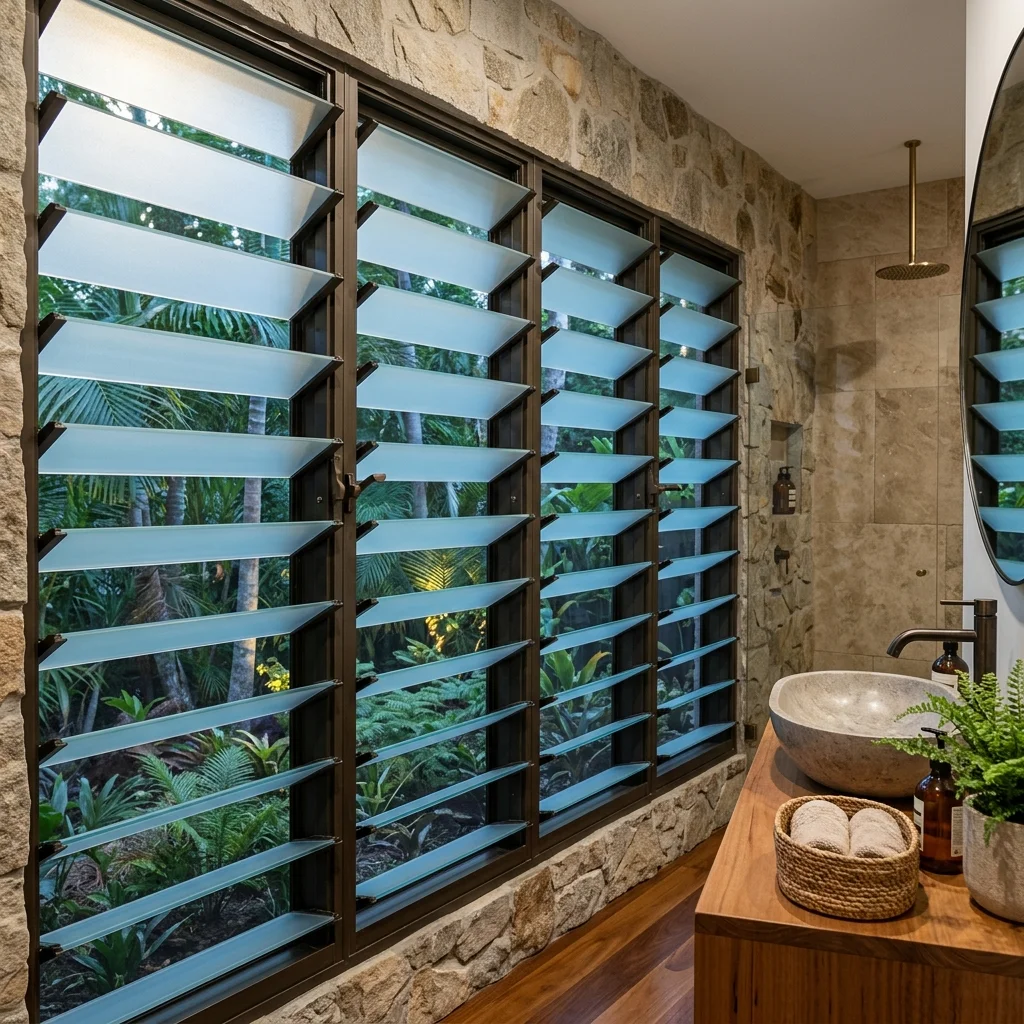
The Safety Differences
| Property | Annealed Glass | Tempered Glass |
|---|---|---|
| Impact Strength | Low (Breaks easily upon impact) | Very High (4x to 5x stronger) |
| Breakage Pattern | Massive, jagged, lethal shards | Small, harmless, blunt pebbles |
| Thermal Resistance | Cracks under rapid temperature changes | High resistance to heat and thermal shock |
| Post-Manufacture Cutting | Can be cut, drilled, or resized on-site | Cannot be cut or drilled (will shatter) |
| Approved Applications | Small windows, picture frames, mirrors | Doors, shower enclosures, balconies, storefronts |
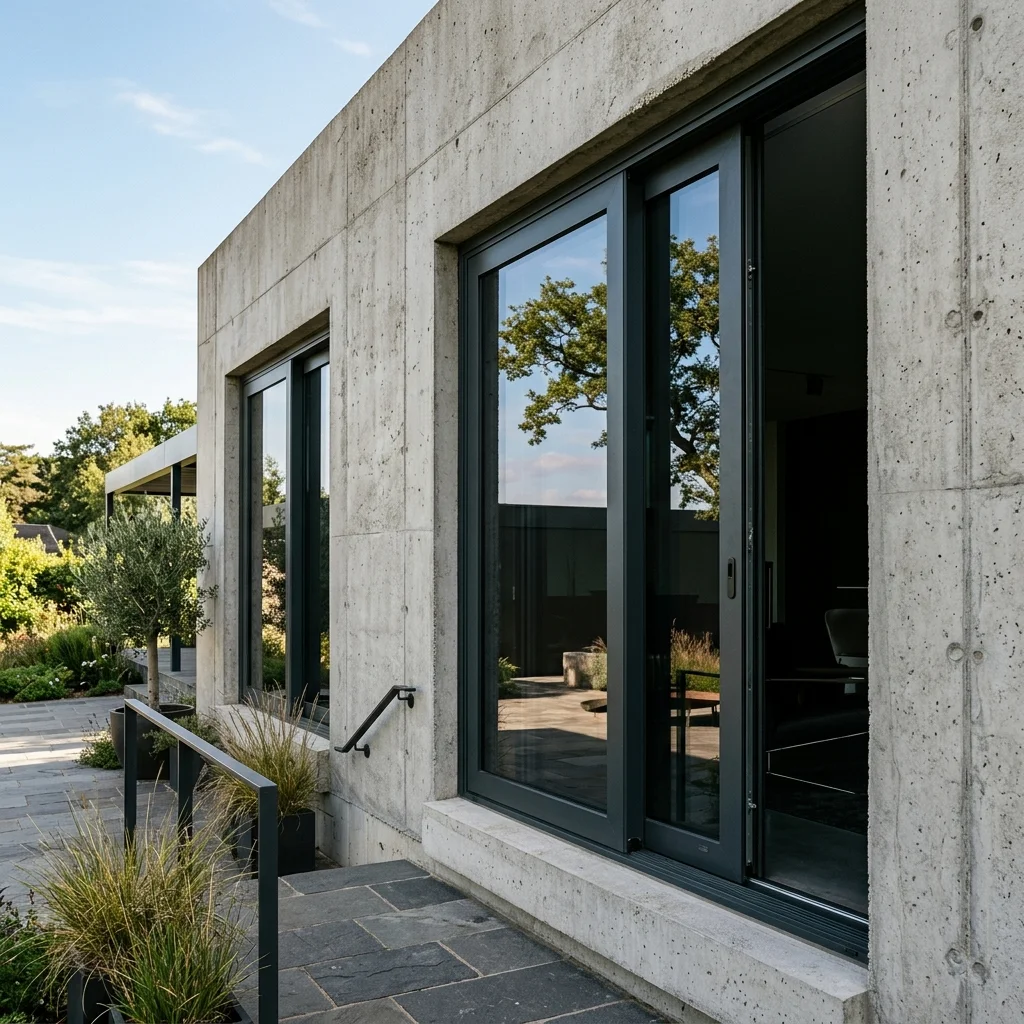
The Hidden Danger
Many uncertified contractors offer low bids by secretly substituting Tempered Safety Glass with standard Annealed Glass. This substitution is a catastrophic safety hazard.
What is Annealed Glass?
Standard glass produced by floating molten glass over a bed of liquid tin and allowing it to cool slowly. Because it cools slowly, there is very little internal stress.
The Lethal Shards
When annealed glass breaks, it splinters into massive, heavy, jagged shards shaped like daggers. If a person falls through an annealed glass shower door, these shards can cause lethal lacerations.
The Tempering Process
Tempered glass is heated to over 600°C then rapidly cooled ("quenched"). This leaves the center in tension and surfaces in compression, making it 4-5x stronger.
The Facts
Why Annealed Glass is a Hazard
What happens when the wrong glass type is installed in the wrong location.
How Annealed Glass Breaks
Shatters into large, irregular shards with sharp edges and pointed tips. This is why it's prohibited by code in doors and bathrooms.
How Tempered Glass Breaks
Shatters into thousands of small, roughly cubic granules with blunt edges, preventing serious laceration injuries.
Philippine Code Requirements
The National Building Code requires safety glazing (tempered or laminated) in shower enclosures, glass doors, railings, and within 450mm of the floor.
How to Identify Annealed Glass
Look for the tempering stamp in the corner. Genuine tempered glass always has a permanent etched or ceramic-printed stamp. No stamp = annealed.
Cost Difference
Tempered glass costs 40-70% more than annealed glass. This premium is the most important safety investment in any installation.
Laminated Glass Alternative
Laminated glass (two panes bonded with a PVB interlayer) is the other safety option, holding together when broken rather than scattering.
Frequently Asked Questions
Common questions about glass safety in the Philippines.
Is it illegal to use annealed glass in a shower?
Yes. The National Building Code requires safety glazing in all shower enclosures. Installing annealed glass is a code violation that exposes owners to liability.
How do I know if my existing glass is tempered?
Look in one of the four corners for a permanent etched or ceramic-printed mark showing thickness and safety standard. If there's no stamp, it's likely annealed.
Can annealed glass be tempered after installation?
No. Tempering requires heating the glass to over 600°C in a furnace. Once installed, its safety type is fixed and it must be fully replaced to upgrade to tempered.
Is there any situation where annealed glass is OK?
Yes, for fixed glazing more than 1.5 meters above the floor where human contact is unlikely, or in very small decorative panes. Never for doors or showers.
Replace Your Annealed Glass Today
We identify, remove, and replace annealed glass with certified tempered panels.
Explore Related Guides
Materials Hub
All material comparison guides for Philippine installations.
RelatedThickness Guide
Our engineer's guide to 5mm vs 8mm vs 10mm vs 12mm glass.
ProductsGlass Railings
Frameless glass balustrades for staircases and balconies.
ProductsShower Enclosures
The most critical application where tempered glass is required.
ApplicationGlass Kitchen Backsplash
See how tempered glass performs in high-heat kitchen backsplash applications.