Aluminum vs UPVC Windows — Which Survives Philippine Heat?
An objective engineering breakdown of why we strictly install heavy-gauge aluminum over UPVC in tropical, high-UV environments.
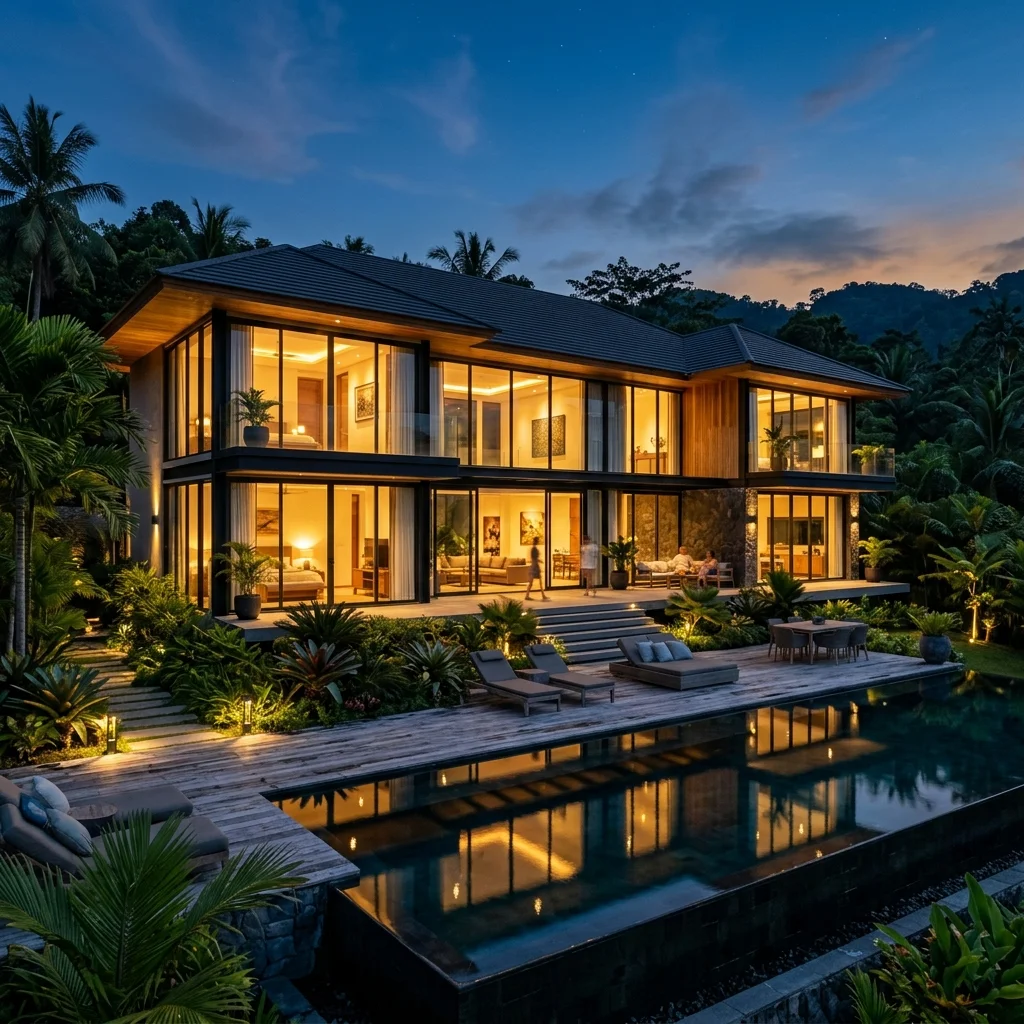
The Philippine Climate Reality
| Property | UPVC (Local Grade) | Heavy-Gauge Aluminum |
|---|---|---|
| Structural Strength | Moderate (Requires internal steel) | Extremely High |
| Thermal Expansion | High (Prone to warping in direct sun) | Very Low (Maintains shape indefinitely) |
| UV Resistance | Poor to Moderate (Prone to yellowing) | Excellent (Powder-coating ignores UV) |
| Thermal Insulation | Excellent | Moderate (Relies heavily on glass type) |
| Aesthetic Profiles | Bulky and wide | Sleek, narrow, and modern |
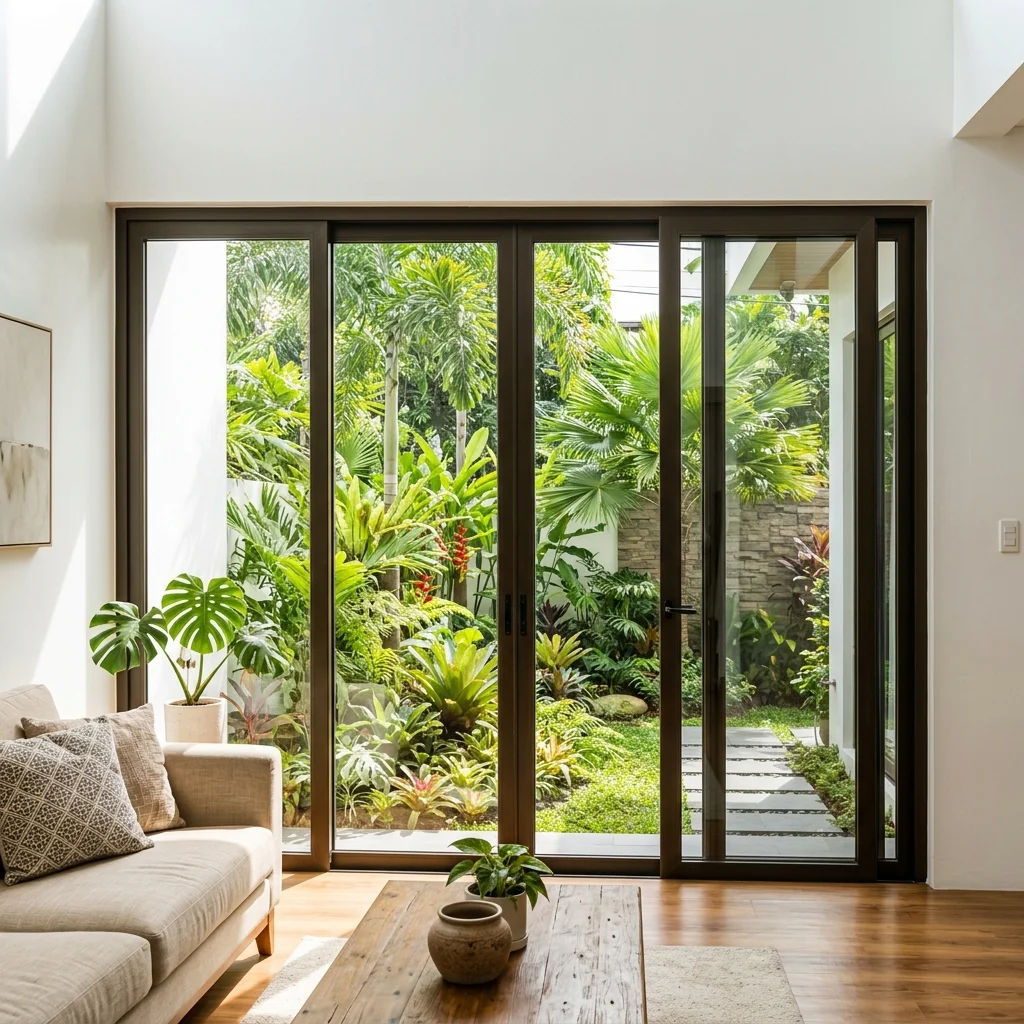
Why UPVC Fails Here
In temperate climates, UPVC is widely celebrated. However, the Philippines presents a uniquely hostile environment: year-round intense UV exposure, extreme heat, and severe wind loads.
UV Degradation
To survive UV exposure, UPVC must be loaded with Titanium Dioxide. Cheap, imported UPVC lacks sufficient UV stabilizers and begins to irreversibly yellow and chalk within 2-3 years.
Thermal Warping
Under extreme heat, UPVC expands significantly more than aluminum. This constant thermal expansion causes frames to warp, multi-point locks to misalign, and seals to fail.
Typhoon Risk
UPVC relies on internal steel channels for rigidity. Under extreme typhoon wind pressure, the connection between the steel insert and the UPVC shell can separate, causing complete frame failure.
The Aluminum Advantage
Why Aluminum Wins
Five specific reasons why heavy-duty aluminum is the correct choice.
Ignores Philippine Heat
Aluminum will not sag, warp, or bend regardless of how hot it gets. Your sliding rollers and locking mechanisms will align perfectly decades after installation.
Handles Typhoon Loads
Aluminum profiles are a continuous solid extrusion that handles wind loads as a single structural element, unlike hollow UPVC shells with inserts.
Fully Repairable
A dented or scratched aluminum frame can be repaired and recoated. A cracked, warped, or discolored UPVC frame must be entirely replaced.
Modern Aesthetics
Because of its strength, aluminum profiles can be extruded incredibly thin while safely holding massive glass panels. UPVC requires bulky, thick frames.
Weather Sealed
By applying a premium Powder-Coated or Anodized finish, the aluminum is hermetically sealed against moisture and coastal salt air. It will never rust.
Long-Term Cost
UPVC requires full replacement within 10-15 years. Correctly installed aluminum lasts 30-40 years with only periodic resealing. The total cost of ownership strongly favors aluminum.
Frequently Asked Questions
Common questions about material choices.
Doesn't UPVC provide better insulation?
Inherently, yes. However, the majority of heat transfer occurs through the glass, not the frame. By using Dark Gray tinted or Low-E glass with aluminum frames, we achieve excellent thermal performance.
Can aluminum frames rust?
No. Aluminum contains no iron, so it physically cannot rust. It can oxidize in harsh coastal environments, which is why we strictly use premium anodized or heavy powder-coated finishes.
Are aluminum windows more expensive?
For an equivalent specification in the Philippines, aluminum windows are typically 10 to 20 percent less expensive than imported UPVC windows of similar quality.
What about thermal bridging?
Thermal bridging (heat transfer through the frame) is a concern in cold climates. In the Philippines, preventing wind/water intrusion is the primary goal. For premium AC environments, we offer thermally broken aluminum.
Get Your Aluminum Window Quote
Ready to install the right material for Philippine conditions? Get a quote within 24 hours.
Explore Related Guides
Materials Hub
All material comparison guides for Philippine installations.
RelatedCorrosion Prevention
How we protect aluminum frames from Philippine salt air.
ProductsSliding Windows
Heavy-duty aluminum sliding windows engineered for the tropics.
PricingWindow Pricing
See how aluminum window costs compare across series.
ConsolacionServing Consolacion
Aluminum vs UPVC window replacements for Consolacion homeowners.