Aluminum Frame Corrosion Prevention for Philippine Coastal Homes
An in-depth look at how anodization and powder-coating processes protect architectural aluminum from oxidation in the harsh Philippine coastal environment.
The Coating Comparison
| Property | Anodized Finish (Analok) | Powder Coated Finish |
|---|---|---|
| Appearance | Deep metallic, shows metal grain | Solid color, smooth or textured matte |
| Durability | Cannot peel; integrated into metal | Highly resistant to scratching and UV |
| Corrosion Resistance | Excellent for coastal environments | Excellent (Acts as a solid plastic barrier) |
| Color Options | Limited (Silver, Bronze, Black) | Unlimited (White, Matte Black, Custom) |
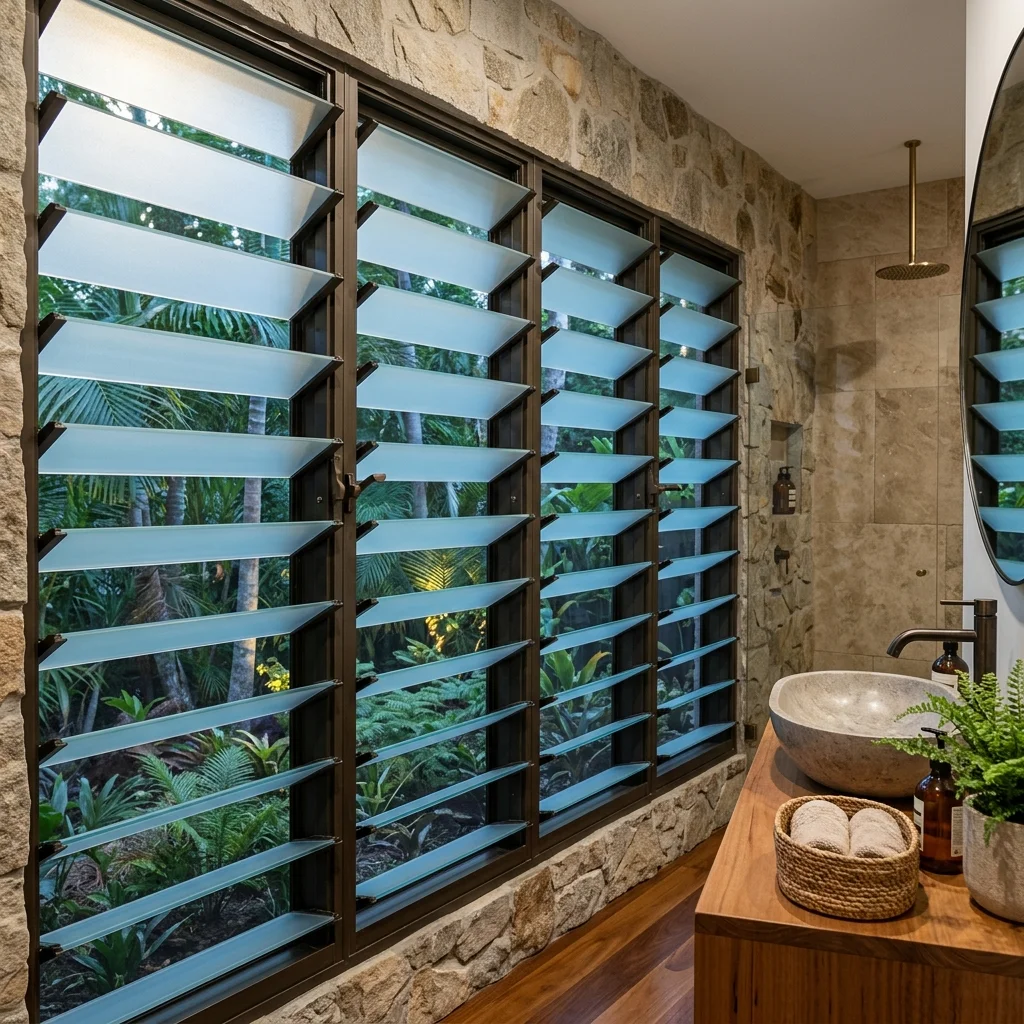
The Rust Myth
A common misconception is that aluminum windows will "rust" due to the salty ocean breeze. This is scientifically impossible.
No Iron = No Rust
Rust is iron-oxide. Because aluminum contains zero iron, it cannot rust. The structural integrity is not compromised by rust.
Oxidation (Pitting)
However, bare untreated aluminum can suffer from "oxidation" when exposed to heavy salt air, forming a dull, chalky white residue. To prevent this, the metal must be chemically sealed.
Our Standard
We never install bare "mill finish" aluminum. Every extrusion undergoes rigorous industrial coating processes before it reaches your home.
Protection Systems
How We Seal Aluminum
The layers of protection we use to keep frames flawless for decades.
Powder Coating
Polyester powder is baked at 200°C, creating a continuous hard film that seals the surface. Maintains integrity for 15-25 years.
Anodizing
An electrochemical process that converts the surface into a hard aluminum oxide layer. Cannot peel or chip because it is part of the metal itself.
Proper Joint Sealing
We apply neutral-cure silicone to all end cuts and joints to seal the raw aluminum from direct moisture contact at vulnerable points.
Stainless Hardware
We use 316 marine-grade stainless steel for screws and anchors. Standard fasteners rust quickly and stain the aluminum with brown streaks.
Coastal Upgrades
For beachfront properties, we specify 25-micron anodizing (instead of standard 20) and marine-grade Dow Corning 791 silicone.
Annual Maintenance
Even premium coatings benefit from annual cleaning with fresh water to remove salt accumulation, keeping the finish pristine.
Frequently Asked Questions
Common questions about coastal corrosion.
Is powder coating better than anodizing?
Both are excellent. Anodizing is technically more durable as it won't chip, but offers limited colors. Powder coating offers any color. For direct beachfront, anodizing is slightly preferred.
What causes the brown stains on my frames?
Aluminum oxidation is white. Brown stains are caused by cheap iron or steel screws rusting and dripping onto the frame. Specifying 316 stainless screws prevents this permanently.
How long does powder coating last?
In standard coastal environments, a high-quality powder coat lasts 15-20 years before fading. We specify PVDF-based coatings for extreme beachfronts that last 25-30 years.
How do I clean coated aluminum?
Wipe with a soft cloth, mild dish soap, and fresh water. Never use abrasive scrubbers, steel wool, or acidic solvents, as they will permanently dull the finish.
Get a Corrosion Assessment
We will assess your frames and recommend the right protection treatment for your location.
Explore Related Guides
Materials Hub
All material comparison guides for Philippine installations.
RelatedAluminum vs UPVC
Why aluminum outperforms UPVC in Philippine heat and humidity.
ProductsSliding Windows
How our corrosion prevention specs are applied in window fabrication.
ApplicationCurtain Walls
Where corrosion prevention is most critical: exterior facades.