Frameless vs Full-Frame Doors — Design, Cost & Durability
An architectural breakdown comparing the minimalist aesthetics of Frameless Tempered Glass doors versus the structural waterproofing of Full Frame Aluminum doors.
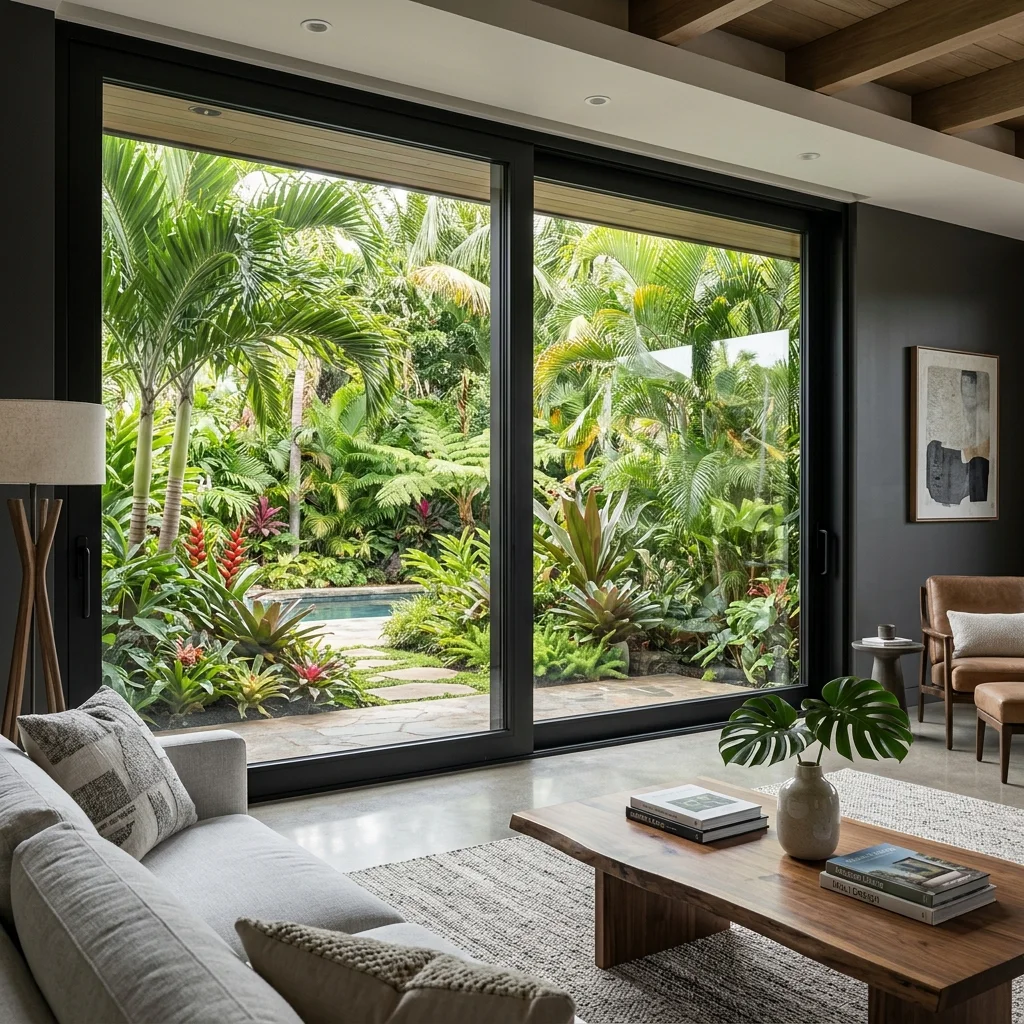
The Technical Comparison
| Property | Frameless Door (12mm) | Full Frame Aluminum Door |
|---|---|---|
| Aesthetic | Minimalist, seamless, ultra-modern | Structured, bold, architectural lines |
| Weatherproofing | Poor (Water & air passes through gaps) | Excellent (Rubber gaskets seal tightly) |
| Sound Insulation | Low (Sound bleeds through gaps) | High (Airtight seal blocks noise) |
| Ideal Applications | Showers, interior offices, retail malls | Exterior entrances, balconies, bedrooms |
| Safety Requirement | MUST use 10mm-12mm Tempered Glass | Can use 6mm-8mm (Tempered recommended) |
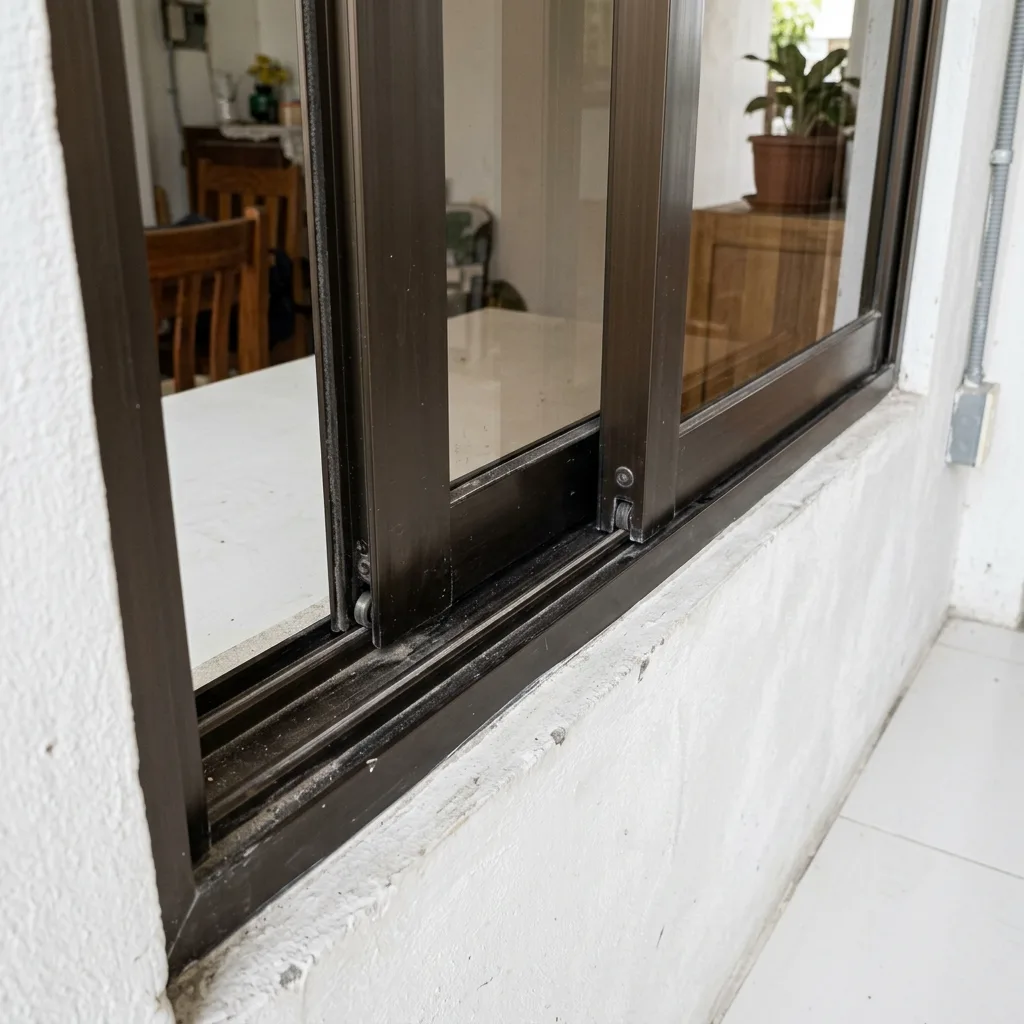
Architectural Intent
Choosing between the minimalist elegance of exposed tempered glass and the rugged weatherproofing of framed aluminum.
The Frameless Approach
Utilizes a thick, solid sheet of 10mm or 12mm Fully Tempered Glass as the entire structural body. Hinges clamp directly onto the glass. Perfect for aesthetics and unobstructed light.
The Full Frame Approach
Wraps all four edges of the glass in a heavy-duty aluminum extrusion. The hinges attach to the aluminum frame. Designed for extreme durability and sealing.
The Golden Rule
If the door is inside a building, Frameless is the superior design choice. If the door faces exterior weather and typhoons, you must use a Full Frame Aluminum Door.
Decision Factors
How to Choose
The key deciding factors: budget, security requirement, and design intent.
Frameless: Design-First
If the door is the architectural centerpiece, frameless is the right choice. Best for bathrooms, hotel lobbies, and modern office partitions.
Full-Frame: Security-First
If the door is an entrance or security boundary, full-frame is the right choice. It supports multi-point locks and stronger frame-to-wall connections.
Cost Reality
Frameless doors cost 40-80% more than equivalent full-frame doors due to thicker glass (12mm), expensive stainless patch fittings, and higher installation complexity.
Glass Thickness
Full-frame doors use 6mm-8mm tempered glass because the frame carries the structural load. Frameless requires 10mm-12mm minimum.
Typhoon Performance
A properly anchored full-frame door with multi-point locks vastly outperforms a frameless door in typhoons due to continuous perimeter weather sealing.
Maintenance Comparison
Full-frame requires checking hinges and locks. Frameless requires checking patch fitting tightness and floor pivot alignment. Both are generally low maintenance.
Frequently Asked Questions
Common questions about glass door systems.
Can a frameless door be a main house entrance?
Yes, but with caveats. It requires 12mm glass, marine-grade fittings, and a stainless deadbolt. The security level is adequate but not equivalent to a multi-point mortise lock on a full-frame door.
What is the max size for a frameless door?
The practical maximum for a single panel is ~1.0m wide by 2.4m tall using 12mm glass. Beyond this, the weight becomes too heavy for standard pivot systems.
Do frameless doors require a floor spring?
Yes, a floor spring (hydraulic closer embedded in the floor) is standard. It can be installed in finished floors by cutting a chase, but it's much easier during initial construction.
Can I get a sliding frameless door?
Yes. Frameless sliding doors use panels that hang from an exposed stainless top track. Popular for walk-in closets and interior rooms. They are not suitable for exterior use.
Get Your Glass Door Quote
Tell us your opening dimensions and we will recommend the right door type.
Explore Related Guides
Materials Hub
All material comparison guides for Philippine installations.
ProductsFrameless Doors
Full details on our frameless door systems and hardware.
ProductsFull-Frame Doors
Full details on our aluminum full-frame door systems.
PricingDoor Pricing Guide
Cost comparison of frameless and full-frame door systems.