7 Signs Your Aluminum Windows Need Replacement
When re-sealing and roller replacement stop working, these structural indicators mean full window replacement is the only permanent fix.
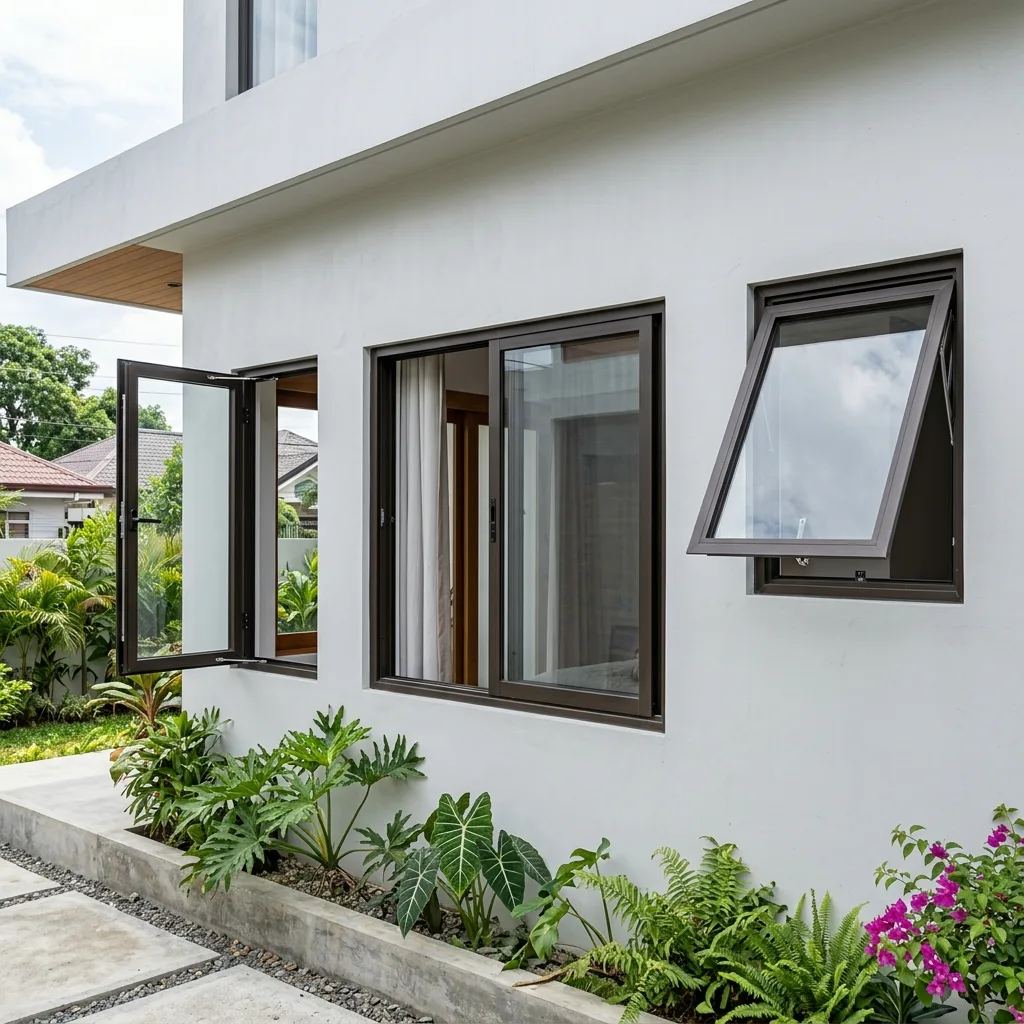
Not every window problem requires full replacement. A sticky roller, a broken handle, or a first-time sealant failure can usually be repaired. But there are structural indicators that mean repair is a temporary fix and full replacement is the only permanent solution. Here are the seven signs we see most often — and the engineering reasons why repair will not work.
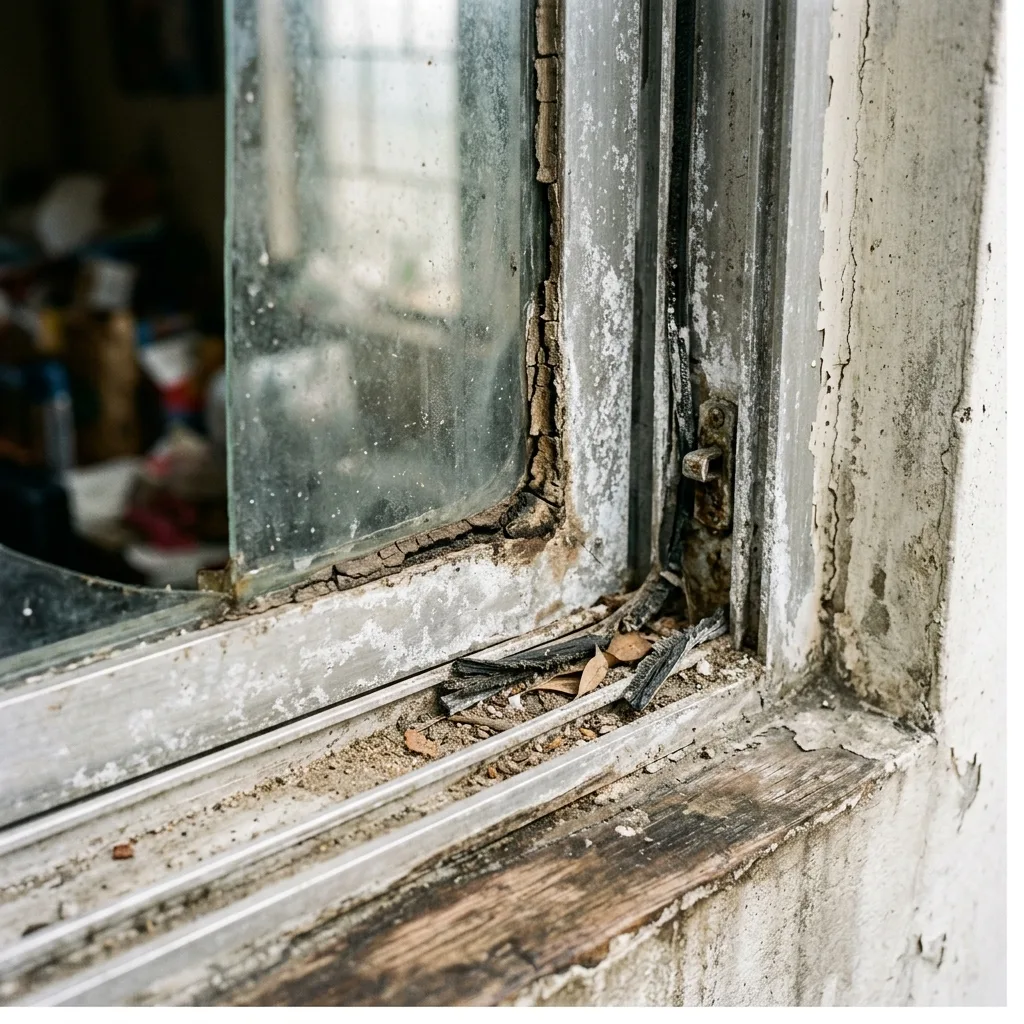
1. Frame Corrosion Beyond the Surface
Surface oxidation on aluminum frames is cosmetic and can be cleaned with a mild abrasive pad and aluminum cleaner. But when corrosion penetrates deeper — creating pitting, small holes, or white powdery deposits that go through the frame wall — the structural integrity of the aluminum is compromised.
The test: Run your fingernail along the inside of the frame track. If you feel pits that catch your nail, the corrosion has penetrated through the anodized or powder-coated surface into the base aluminum. No amount of sealant, paint, or treatment will restore structural strength to pitted aluminum. The frame must be replaced.
2. Frame Deflection Under Wind Load
Stand inside with the window closed. Push on the center of the frame with moderate hand pressure. If the frame visibly flexes inward — even 3 to 5mm — the aluminum gauge is too thin for the opening size. This is extremely common with Series 38 frames installed in openings wider than 1.2 meters.
Why repair fails: Adding sealant to a frame that flexes creates a predictable cycle. Wind flexes the frame, breaking the sealant bond. Water enters. You re-seal. Next typhoon, the frame flexes again, cracking the new sealant. This cycle repeats every storm season until you replace the frame with one that has adequate gauge for the opening size.
3. Persistent Leaks After Two Re-Seals
If you've had a window professionally re-sealed twice and it still leaks during heavy rain, the problem is not the sealant — it's the frame-to-wall interface. Either the frame was not back-bedded with sealant during original installation, the concrete rough opening has cracked or shifted, or the frame anchor points have loosened from the wall. Re-sealing addresses only the surface joint, not the structural connection underneath.
4. Visible Gap Between Frame and Wall
If you can see daylight — or feel air movement — between the aluminum frame edge and the concrete wall, the frame anchoring has failed. This means the original installer either used insufficient concrete anchors, did not use structural silicone behind the frame, or the concrete itself has cracked around the anchor points due to building settlement.
5. Roller Tracks Are Worn Smooth
Sliding window tracks wear down over time, especially in thin-gauge Series 38 aluminum. When the track profile is worn smooth and the sliding panel wobbles, tilts, or jumps off the track instead of gliding smoothly, the track itself needs replacement — and since the track is integrated into the frame, that means replacing the entire frame assembly.
6. Glass Is Not Tempered Where Required
Philippine building standards require tempered glass in safety applications: shower enclosures, glass railings, frameless doors, and windows within 600mm of the floor. How to check: Look for a small etched stamp in the corner of each glass panel. Tempered glass always carries this permanent stamp. No stamp means annealed glass — which breaks into dangerous shards and should be replaced immediately in any safety-critical location.
7. The Frame Series Cannot Handle Your Weather Exposure
Series 38 jalousie frames were designed for interior or sheltered applications — they were never engineered for direct typhoon exposure. If your home faces the prevailing storm direction and your windows are Series 38, no repair, sealant, or reinforcement will make them perform reliably in a Category 3 or above typhoon. The engineering limits of the series are exceeded — the solution is a frame upgrade to Series 798 or Series 900.
When Repair IS Enough
Not every window issue demands full replacement. These problems can typically be repaired without replacing the frame:
Sticky or noisy rollers — replace rollers and clean the track channel
Broken lock or handle — replace the hardware component
First-time sealant failure — re-seal with Dow Corning structural silicone
Torn mosquito screen — re-screen the existing frame
Surface oxidation — clean with aluminum cleaner and protect with automotive wax
Weatherstrip compression — replace the rubber seal strips
The key distinction: if the frame itself is structurally sound, properly anchored, and the correct series for your exposure level, repair works. If the frame is corroded through, undersized for the opening, or poorly anchored to the wall, replacement is the only permanent fix.
Need Expert Advice?
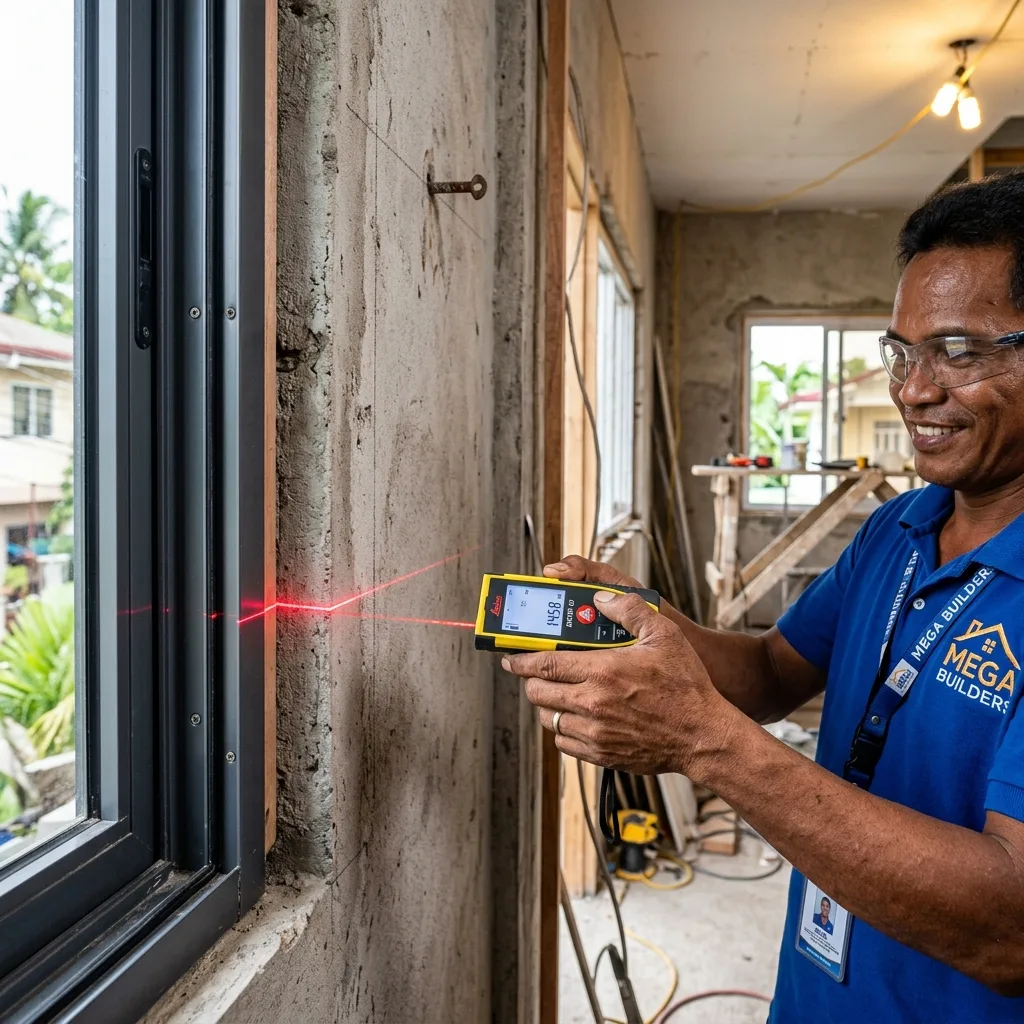
Free site visit, laser measurement, and itemized quotation — within 48 hours.