Glass Table Top Guide — Thickness, Shapes & Cost
A comprehensive guide to specifying glass table tops for Philippine homes and offices. Learn the critical differences between glass used as a protector versus a standalone surface, edge finishing options, and complete 2026 pricing.
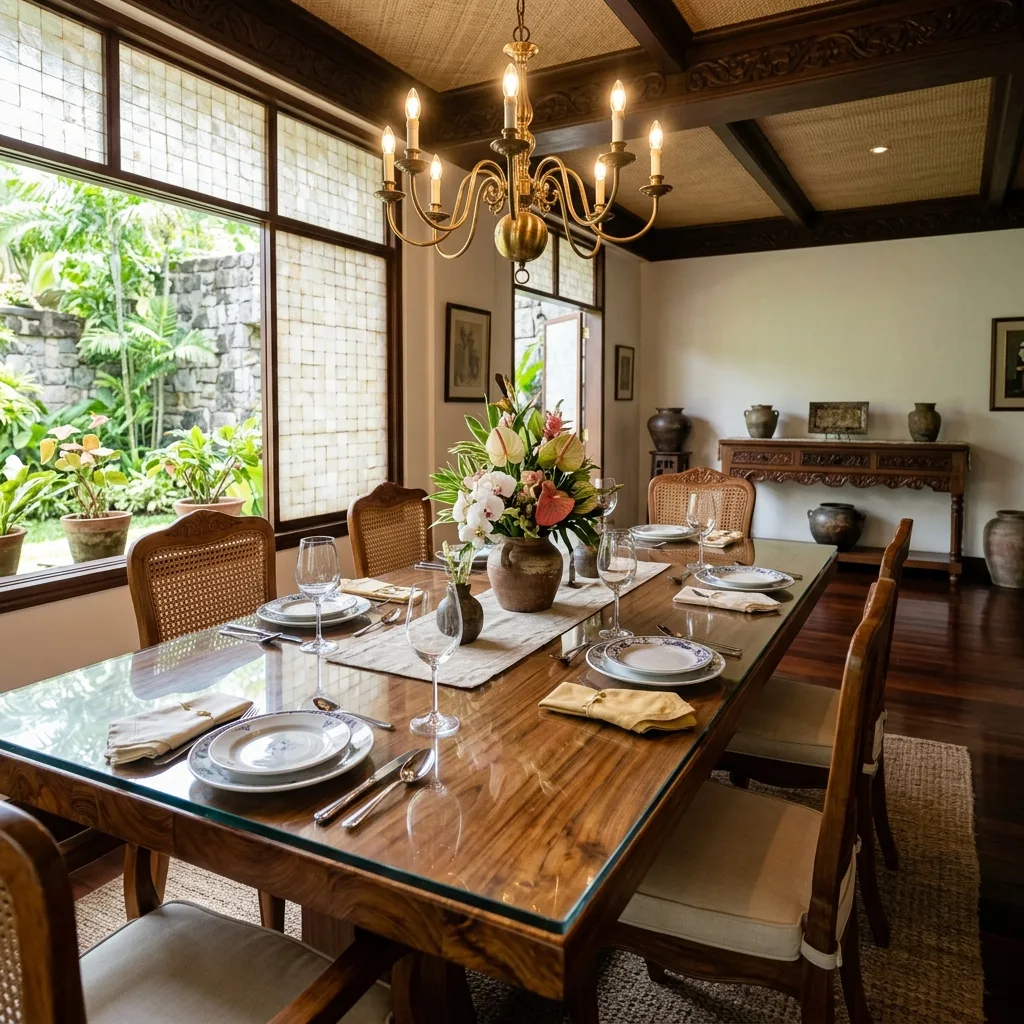
Glass table tops serve two distinctly different architectural purposes: they either act as a transparent protective shield over an existing piece of fine furniture (like a solid Narra wood dining table or a fragile marble console), or they function as the entire structural surface of the table itself, resting directly on a wooden or metal base. The thickness, glass type, edge treatment, and structural requirements vary wildly depending on which of these two applications you need. Here is the definitive guide to ordering custom glass table tops in the Philippines so you get exactly the right specification for your furniture.
The Two Types of Applications
When you request a quote for a "glass table top," the very first question our technicians will ask is: "Is the glass going to be fully supported underneath, or is it acting as the table itself?"
Application 1: The Protective Cover (Fully Supported)
In this scenario, you have an existing table—perhaps a beautiful antique wooden dining table, a delicate woven rattan coffee table, or a porous natural stone desk—and you want to protect the surface from water rings, hot coffee mugs, pen indentations, and accidental scratches. The glass sits directly on top of the existing surface. Because the wood or stone underneath provides 100% of the structural support, the glass itself does not need to be structurally rigid. It only needs to provide surface hardness and impact resistance. For these protective covers, you can safely use thinner glass profiles.
Application 2: The Standalone Surface (Partially Supported)
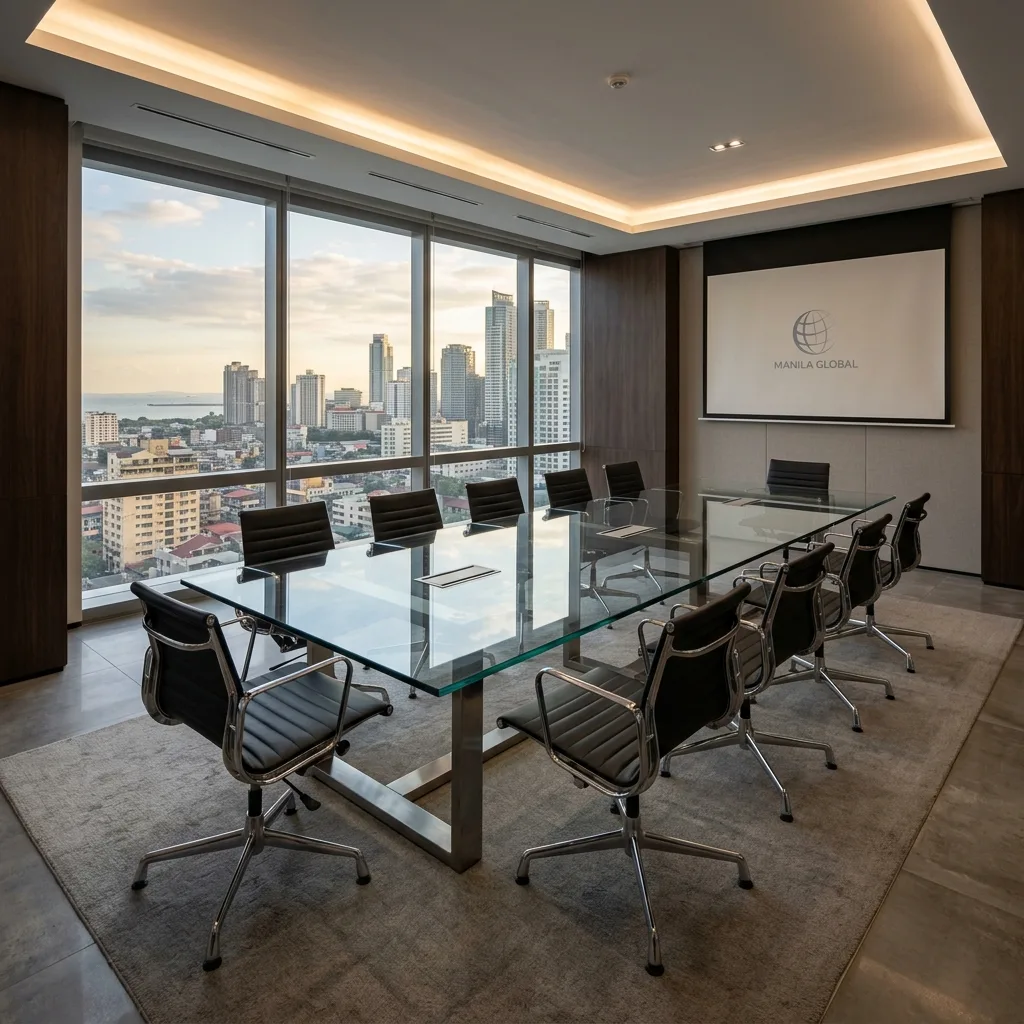
In this scenario, the glass is the table. It rests on a metal pedestal, a wooden trestle base, four corner legs, or is clamped via stainless steel standoffs. Large sections of the glass are suspended in mid-air with zero support underneath. Because the glass must support its own immense dead weight plus the dynamic weight of laptops, heavy books, dinner plates, and people leaning on the edges, it must be highly rigid. For standalone surfaces, you must use significantly thicker, structurally rated glass profiles to prevent dangerous flexing and catastrophic failure.
Thickness Recommendations by Application
Choosing the wrong thickness is the most common mistake made when ordering custom glass. If you choose glass that is too thin for a standalone base, it will visibly flex when you press on it, creating an unsettling and dangerous "trampoline" effect. If you choose glass that is too thick for a protective cover, you are wasting money and adding unnecessary, crushing weight to your delicate furniture legs.
| Furniture Application | Support Type | Recommended Thickness | Why This Thickness Works |
|---|---|---|---|
| End Table / Nightstand Cover | Fully Supported | 6mm | Lightweight, easy to lift for cleaning, adequate protection for lamps and books. |
| Dining Table Cover (over wood) | Fully Supported | 6mm or 8mm | 8mm provides a slightly heavier, premium feel that will not slide easily during dinner. |
| Office Desk Cover | Fully Supported | 8mm | Provides excellent rigidity for writing directly on the glass without the pen digging in. |
| Coffee Table (Standalone) | Partially Supported | 10mm | Balances structural strength with reasonable weight for a smaller footprint. |
| Dining Table (Standalone) | Partially Supported | 12mm | Absolutely necessary to prevent center-sag across a wide 2-meter dining span. |
| Corporate Conference Table | Partially Supported | 12mm or 15mm | Premium executive weight; 15mm offers incredible acoustic dampening and zero flex. |
Tempered vs. Regular Annealed Glass: A Critical Safety Warning
In the Philippines, local glass shops will often quote you for standard "annealed" (regular) glass for table tops because it is significantly cheaper and they can cut it right there in the shop on the same day. We strongly advise against using annealed glass for any table top application.
A table is a high-traffic, high-impact surface. A dining table glass top may be bumped by heavy wooden chairs, struck by a dropped coffee mug, or subjected to intense localized thermal stress when a boiling hot serving dish is placed directly on it. An office desk might suffer the impact of a dropped heavy stapler or paperweight.
If a regular annealed glass table top breaks, it shatters into massive, dagger-like shards that are incredibly heavy and razor-sharp. Because these shards fall from waist height (table height) down toward the legs and feet of anyone sitting at the table, the risk of catastrophic laceration is extreme. This is unacceptable for a surface where you eat meals and where children may be playing underneath.
Tempered safety glass is heat-treated in a specialized furnace to be 4 to 5 times stronger than regular glass. It easily withstands dropped mugs, heavy impacts, and extreme thermal shock (you can put a hot pan directly on it). Most importantly, if tempered glass is ever subjected to an impact severe enough to break it (such as a hammer strike to the vulnerable edge), the entire sheet instantly shatters into thousands of small, blunt, pebble-like granules. These granules cannot cause deep lacerations. For a residential environment, the 80% price premium for tempered glass is the cheapest insurance policy you will ever buy.
Edge Finishing Profiles
Because the edges of a glass table top are completely exposed to human hands and arms, they must be mechanically polished. Raw cut glass is sharp enough to cut skin instantly. The type of polish you choose dictates the final aesthetic of the table.
Flat Polish (Standard) — The edge is ground perfectly flat and straight, with a tiny 1mm chamfer (angle) on the top and bottom corners to remove sharpness. The edge is buffed until it is crystal clear. This is the most modern, clean, and cost-effective option, suitable for 90% of contemporary furniture designs.
Pencil Polish (Rounded) — The edge is ground into a smooth, continuous C-shape or half-circle profile. It is incredibly comfortable to rest your forearms against, making it the preferred choice for office desks and dining tables where people lean on the edge for long periods. It is also highly resistant to edge-chipping from chair impacts.
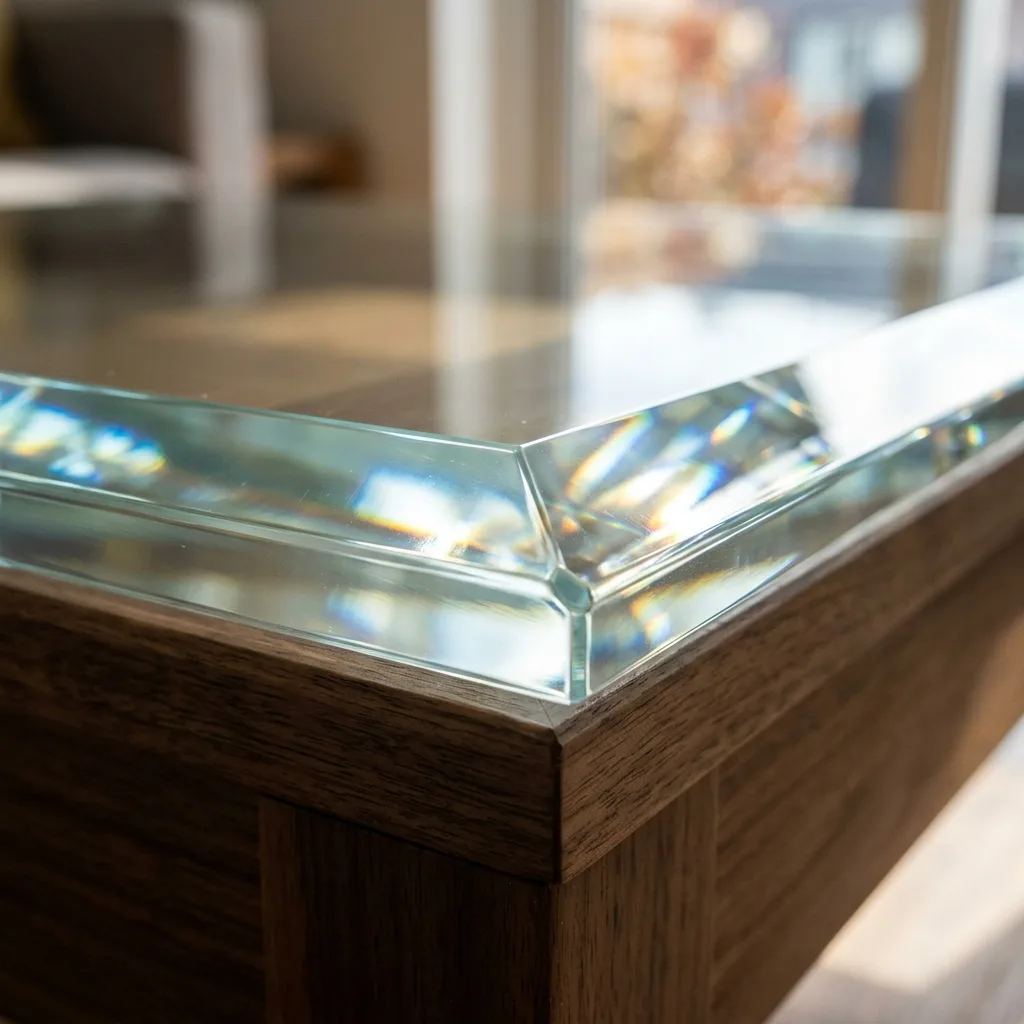
Beveled Edge (Decorative) — The perimeter of the glass is ground down at a precise angle (typically a 1-inch or 25mm wide slope). This creates a striking faceted border that acts like a prism, catching ambient light and casting subtle rainbows. It provides a traditional, highly elegant look, often used on antique dining tables and ornate coffee tables.
Ogee Edge (Premium) — An intricate, decorative "S-curve" profile cut into the glass edge. This requires highly specialized, expensive CNC machinery to produce. It mimics the ornate edge profiles found on luxury marble countertops and is reserved for ultra-premium, classical furniture pieces.
Custom Shapes and Precision Cutouts
Not all tables are perfectly rectangular. We utilize digital measuring tools and automated CNC glass cutting tables to fabricate tops in any geometric shape imaginable: perfect circles for breakfast nooks, elegant ovals for formal dining, "racetrack" shapes (a rectangle with semi-circle ends) for conference rooms, or completely asymmetrical freeform shapes to match custom-carved wooden root tables.
Furthermore, functional cutouts can be precision-drilled into the glass before the tempering process. If you are outfitting a corporate boardroom, we can cut precise rectangular slots in the center of a 12mm glass top to accommodate recessed aluminum cable management boxes (for HDMI and power outlets). For outdoor patio tables, we can drill a perfect 2-inch circular hole in the dead center to allow a patio umbrella pole to pass through.
Comprehensive Cost Guide (2026 Prices)
Glass table tops are priced primarily by the square meter, factoring in the raw thickness of the glass and the tempering process. The prices below represent high-quality, fully tempered, flat-polished glass delivered in Metro Manila.
| Glass Thickness | Cost per SQM (Tempered Safety Glass) | Primary Application |
|---|---|---|
| 6mm Tempered | ₱2,500 – ₱3,500 per sqm | Protective covers over existing wood tables. |
| 8mm Tempered | ₱3,000 – ₱4,500 per sqm | Heavy protective covers and standalone coffee tables. |
| 10mm Tempered | ₱3,500 – ₱5,500 per sqm | Premium standalone dining tables and office desks. |
| 12mm Tempered | ₱4,500 – ₱6,500 per sqm | Large span corporate conference tables and luxury dining. |
| 15mm Tempered | ₱6,500 – ₱9,000 per sqm | Ultra-premium executive desks requiring maximum rigidity. |
Additional Fabrication Costs to Consider:
- Shape Premium: Perfect circles, ovals, and complex freeform shapes require significantly more labor and generate more raw glass waste. Expect a 15% to 25% price premium over a standard rectangular cut.
- Edge Upgrades: Upgrading from a standard flat polish to a decorative beveled edge adds approximately ₱150 to ₱300 per linear meter of perimeter. An intricate Ogee edge can add ₱300 to ₱500 per linear meter.
- Glass Tinting: While clear glass is standard, you can specify Bronze-tinted or Grey-tinted glass to match darker wooden furniture, or Ultra-Clear (Low-Iron) glass which removes the natural green hue of standard glass for a pure, icy look. Tinted and Low-Iron glasses carry a 30% to 50% price premium.
Essential Installation and Maintenance Tips
The "Slip" Problem: When you place a smooth piece of glass directly onto a smooth polished wooden table, the glass will slide easily if leaned against. Never let glass sit directly on wood. You must apply small, transparent, silicone "bumper pads" (about 2mm thick) at the four corners and along the edges. These invisible pads create a high-friction grip between the wood and the glass, stopping all movement while also providing a microscopic air gap that prevents moisture from getting trapped and ruining the wood finish.
Heat Management: While tempered glass is highly resistant to thermal shock, repeatedly placing 250°C cast-iron skillets directly onto the glass surface is not recommended. Always use decorative trivets or heat-resistant dining pads under hot serving dishes to protect the pristine surface.
Scratch Prevention: Glass is hard, but it is not diamond. Dragging unglazed ceramic plates, raw stone coasters, or metal centerpieces across the surface will eventually cause microscopic hairline scratches. Use placemats for dining, and apply felt pads to the bottom of heavy decorative centerpieces.
Measurement Accuracy: If you are ordering a protective cover for an existing wooden table, the glass must be measured perfectly. If the glass overhangs the wood by even 5mm, walking past and catching the overhang with your hip can lift and dislodge the heavy glass. We recommend sizing the glass exactly 2mm smaller than the wooden perimeter on all sides to ensure a flush, safe fit.
Need a Custom Glass Table Top?
From precise protective covers for heirloom dining tables to massive 12mm standalone boardroom surfaces. Contact GlassInstallerPH for exact measurements and an itemized quotation.