Jalousie vs Sliding Windows — Which Is Right for Your Home?
An objective comparison of traditional Jalousie louvers and modern Sliding Windows, analyzing airflow, security, and typhoon resistance.

The Technical Comparison
| Property | Jalousie (Louver) | Aluminum Sliding Window |
|---|---|---|
| Maximum Airflow | Excellent (~95% open area) | Moderate (~50% open area) |
| A/C Efficiency (Sealing) | Very Poor (Continuous air leaks) | Excellent (Weather-stripped seals) |
| Typhoon Water Resistance | Poor (Water blows under blades) | High (Weep holes & tracks) |
| Security Level | Low (Blades easily removed) | High (Internal multi-point locks) |
| Aesthetics | Traditional / Utilitarian | Modern / Sleek / Unobstructed View |
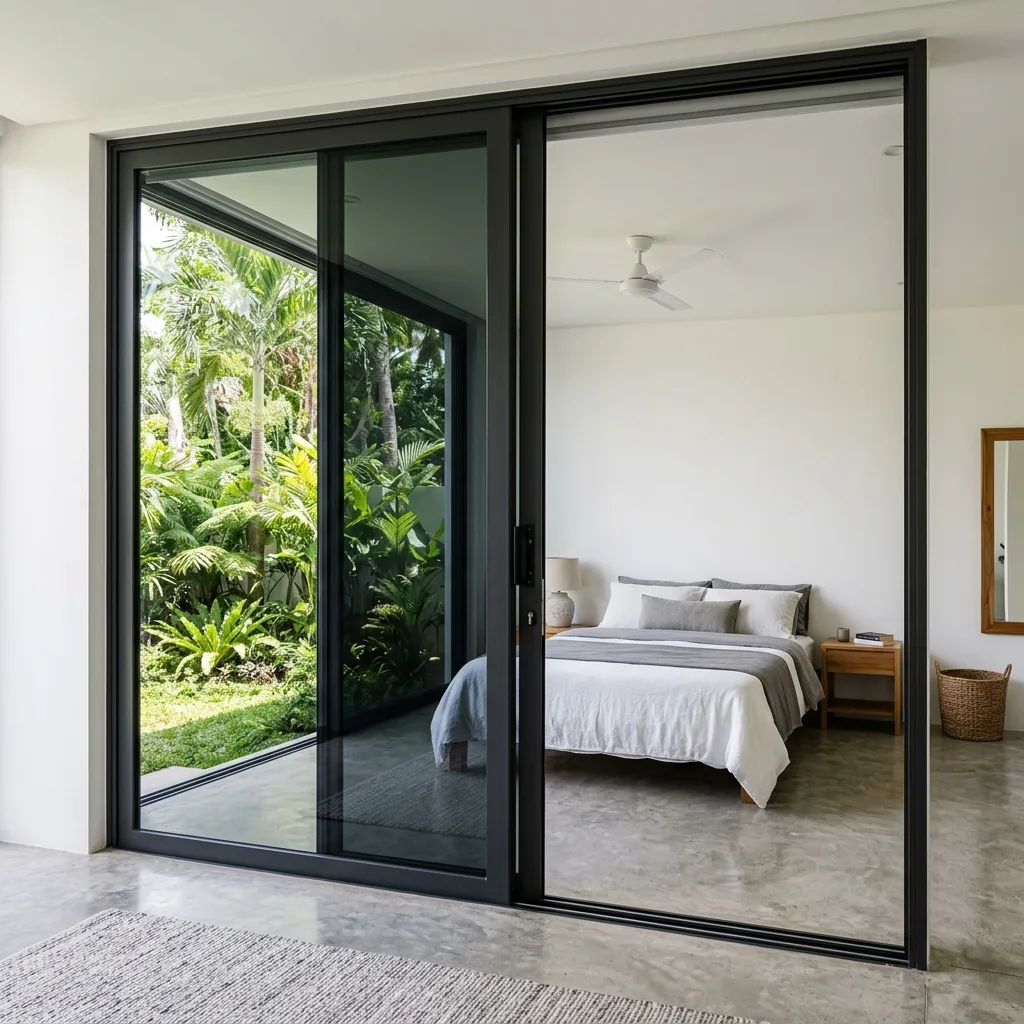
The Evolution of Facades
Moving away from the traditional louver. Analyzing airflow, air-conditioning efficiency, and typhoon security in the modern Filipino home.
The Jalousie Era
For decades, the glass jalousie was the absolute standard. Before widespread air-conditioning, maximizing natural cross-ventilation was the primary goal. Jalousies allow for near 100% airflow.
The Air-Con Dilemma
It is physically impossible to seal jalousies completely. If you run an AC in a room with jalousies, cold air bleeds out and hot air bleeds in, drastically inflating electricity bills.
The Modern Standard
Sliding windows utilize thick mohair weather-stripping and interlocking stiles. They create a tight ambient seal, keeping cold air inside and blocking out typhoon rains.
Decision Guide
When to Use Each
The right window type for each location in your home.
Airflow: Jalousie Wins
Jalousie blades open to ~95% of the window area. A sliding window opens to a maximum of 50%. For unconditioned spaces needing max airflow, jalousie is unmatched.
Security: Sliding Wins
Jalousie blades can be silently removed from outside. Sliding windows with multi-point locks cannot be opened without breaking the glass.
Typhoon Resistance: Sliding
Jalousies cannot achieve a continuous weathertight seal. Sliding windows with proper weatherstripping and deep tracks handle typhoons effectively.
Air-Conditioning: Sliding
Jalousies cannot seal an AC space effectively. The gaps raise electricity costs significantly. Never install jalousies in AC rooms.
Cost: Jalousie Wins
Jalousie windows are typically 30-50% cheaper than equivalent sliding windows. For utility areas, they provide excellent value.
Best Use Cases
Jalousie: Bathrooms, laundry areas, dirty kitchens. Sliding: Bedrooms, living rooms, AC spaces, balconies.
Frequently Asked Questions
Common questions about choosing window types.
Can I mix jalousie and sliding windows?
Yes. Use jalousies for bathrooms and laundry rooms where ventilation is key. Use sliding windows for bedrooms and living areas requiring AC and security.
Can jalousie windows be more secure?
You can add a steel security grille on the exterior to prevent access even if blades are removed. This is a practical compromise for utility rooms.
Are there weathertight jalousies?
Standard jalousies cannot seal perfectly by design. If weather sealing is critical, the correct solution is to switch to a sliding or awning window.
Glass vs aluminum jalousie blades?
Glass is preferred for aesthetics and light. Aluminum blades offer slightly better security as they are harder to break, but they block all light and views.
Get Your Window Quote
Tell us your room type and dimensions for a recommendation and full itemized price.
Explore Related Guides
Materials Hub
All material comparison guides for Philippine installations.
ProductsJalousie Windows
Our heavy-duty jalousie windows with commercial-grade frames.
ProductsSliding Windows
Our typhoon-rated sliding windows with deep-track profiles.
PricingWindow Pricing
Compare jalousie and sliding window costs.